


Healthcare Renovations After Hours in Detroit, MI: Infection Control & ICRA Basics
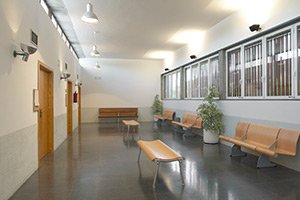
Hospitals and clinics cannot pause care. That is why many healthcare renovations in Detroit happen after hours, with infection control leading every decision. If your team is planning work near patient areas, the safest path is partnering with a medical facility construction crew that lives and breathes ICRA. Learn how Wagensomer Construction approaches clean, quiet work and why our process for healthcare renovations focuses on safety first.
In this guide, we break down practical ICRA planning, negative air, dust barriers, and after-hours sequencing that limit risk for patients and staff across Midtown, New Center, Corktown, and the wider Metro Detroit area.
Why After-Hours Healthcare Renovations Matter In Detroit
Detroit’s healthcare spaces see steady traffic from early morning through the evening. After-hours work windows make sense because they reduce contact with vulnerable patients and keep corridors clear for night shifts and emergency routes. Winter adds another challenge. Cold, dry air and door cycles can pull dust into clean areas if pressure is not managed. Summer humidity can affect temporary walls and door seals. Skilled planning keeps your renovation invisible to patients the next day.
Whether you operate a busy urgent care near Grosse Pointe or a specialty clinic in Dearborn, organizing work during off-peak hours lowers noise, protects air quality, and helps providers stay on schedule the next morning.
Infection Control Basics During Construction
What Is ICRA and Why It Protects Patients
An Infection Control Risk Assessment (ICRA) is a step-by-step planning tool used before construction starts. It identifies who could be impacted, what tasks might create dust or aerosols, and which controls keep contaminants out of patient care areas. The ICRA matrix guides the project team to choose the right measures for your setting and scope.
Negative Air, Barriers, and Clean Workflows
The three pillars of safe healthcare renovation are containment, airflow, and cleaning. Together, they keep dust, spores, and odors from escaping the work zone and restore rooms to service before the morning shift.
- Use HEPA-filtered negative air to pull air from clean spaces into the work area, then exhaust it safely to maintain direction of airflow.
- Install rigid or heavy-gauge plastic barriers sealed at the floor, walls, and above-ceiling spaces, with zipper doors or framed anterooms.
- Control routes for debris and materials so dirty and clean paths never cross.
- Finish with wet-wipe and HEPA vacuum cleaning so spaces look and test clean when staff returns.
Step-By-Step ICRA Planning For Renovations
Define Scope and Risk Profile
Start with where the work is happening and who is nearby. A ceiling demo outside a procedure room carries different risk than painting an office in a separate suite. The team reviews patient populations, ventilation details, and how the space is used overnight. That informs the ICRA class and the controls required.
Choose Containment and Air Management
Containment is only as strong as its weakest seam. The crew establishes a sealed work zone, builds an anteroom for worker entry, and adds negative-pressure machines with HEPA filters. Air is ducted away from intakes and people. Pressure monitors or simple visual indicators verify the airflow direction before tools start.
Set Clean and Dirty Paths
Workers enter through the anteroom. Waste exits through a dedicated route lined with floor protection and sticky mats. Bags are sealed inside the work area to cut down on dust. Elevators and hallways used for patients remain separate. Tools that leave the zone are wiped and vacuumed to remove fine debris.
Cleaning, Verification, and Turnover
At the end of each shift, the team performs HEPA vacuuming, damp wiping, and floor cleaning. High-touch surfaces outside the barrier are checked and cleaned again if needed. In sensitive areas, particle counts or pressure logs help verify performance. The goal is simple. Spaces must be clean, safe, and ready for staff the next morning.
After-Hours Scheduling That Reduces Disruption
Good timing prevents surprises. Work that is noisy, dusty, or odorous is stacked into overnight blocks so it never collides with care delivery. The crew coordinates with facilities to shut down local mechanicals only if containment holds pressure independently. Painting and finish work happens last so odors dissipate before staff arrives.
- Coordinate access with security, facilities, and environmental services before each shift.
- Locate staging away from patient corridors to limit trips through public spaces.
- Never block life safety systems or egress paths during containment or material storage.
- Document pressure checks and cleaning so leadership can sign off on turnover each day.
Common Controls For Healthcare Renovations
Not every project needs the same setup. Here are typical controls matched to the realities of Detroit facilities, from ambulatory clinics to hospital wings:
Barriers and Anterooms. Rigid panels are best for multi-night projects, especially in winter. They resist drafts better than thin plastic and make it easier to hang door closers and pressure gauges.
Negative Air Machines. HEPA units maintain draw toward the work zone. Duct runs are kept short, tight, and away from return grilles. Filters are changed on a schedule and bagged inside the containment.
Pressure Monitoring. Continuous readings or shift-start checks confirm airflow. If weather swings or elevator stack effect upset pressure, the team adjusts cfm, seals, or adds a second unit.
Cleaning Protocols. HEPA vacuum all horizontal surfaces from high to low, then damp wipe with hospital-approved solutions. Final vacuum the floors just before barrier takedown so dust is not reintroduced.
What To Expect From Wagensomer Construction During Your Project
As a Detroit-based medical facility construction partner, Wagensomer Construction plans, sequences, and supervises the work so you do not have to babysit the job. Our field leads coordinate ICRA with your infection prevention team, then manage containment, pressure, and cleaning with documented checklists. For projects that touch multiple trades or phases, see how structured leadership improves outcomes on our construction management page and this related article on why construction management is key to successful projects.
When you need a team for night or weekend work near patient care, our crews set barriers, confirm negative air, and clean to your standards before staff returns. Explore our approach to safe healthcare renovations and how we adapt to active clinics across Wayne, Oakland, Macomb, and St. Clair counties.
Coordination With Your Facility Team
Every building is different. Older facilities in Midtown and New Center can have hidden chases above ceilings. Before cutting, we scan, open selective access, and seal penetrations so dust does not migrate. In newer outpatient centers around Troy or Sterling Heights, mechanical systems often allow localized shutdowns. Either way, the plan respects patient privacy, security, and maintenance needs.
Communication stays simple. The site lead checks in with nursing supervisors or department heads before the shift, then sends a short update with photos after cleaning. If anyone on your team reports a concern, the crew fixes it before turnover. That keeps mornings predictable and patient-ready.
Minimizing Risk While Keeping Schedules
Renovations should not derail a clinic’s calendar. That is why we pair after-hours work with phasing that aligns to your slowest days. Noisy demolition fits into the quietest windows. Finishes and punch-list tasks wrap up earlier in the night so there is time for extra air changes. If urgent work arises, the team pauses, secures the area, and resumes when care is clear to proceed.
For owners searching locally, you can learn more about healthcare renovations in Detroit, MI and how Wagensomer Construction plans projects that protect patients and staff while meeting tight timelines.
Ready To Start? Let’s Coordinate Your ICRA Plan
If your hospital or clinic needs clean, quiet updates after hours, we are ready to help. Call 313-585-3166 to talk with our team about scope, sequencing, and the right level of containment for your space. We will work with your leaders to build an ICRA plan, set up negative air and barriers, and deliver spaces that are patient-ready by morning.
To see how our Detroit team handles active environments, visit our page on medical facility construction. Your patients deserve safe care while you improve your space, and we are here to make that happen.